
Make your own Automatic Garden Waterer
Save time and water by automating the watering of your greenhouse, flower beds, hanging baskets or lawn with this simple to follow 3D printable Arduino project.
BOM
List of items used in this project and where to find them:
(As an Amazon Associate I earn from qualifying purchases.)
- Elegoo Arduino Nano (x1):
https://geni.us/ArduinoNanoV3
- Servo (x1):
https://geni.us/Servo
- Real-time clock (x1):
https://geni.us/DS3231-RTC
- Hoselock compatible connector (x2):
https://geni.us/hose-connectors
- Wire:
https://geni.us/22AWGWire
- Hoselock compatible inline valve (x1):
https://geni.us/hozelock-valve
- Nuts and Bolts - M3 x 10 (x3):
http://geni.us/NutsAndBolts
- ABS Filament:
https://geni.us/ABS-Filament
- Long USB cable (x1)
https://geni.us/LomgUSBMiniB
- USB wall plug (x1)
https://geni.us/USBWallPlug
- Hozelock Irrigation kit (x1):
https://geni.us/Hozelock-Irrigation
If you would prefer to use PLA filament I have good success with this one:
- PLA Filament:
https://geni.us/PLAFilament
Code
Code for project can be found on GitHub: https://github.com/DIY-Machines/arduino-garden-waterer
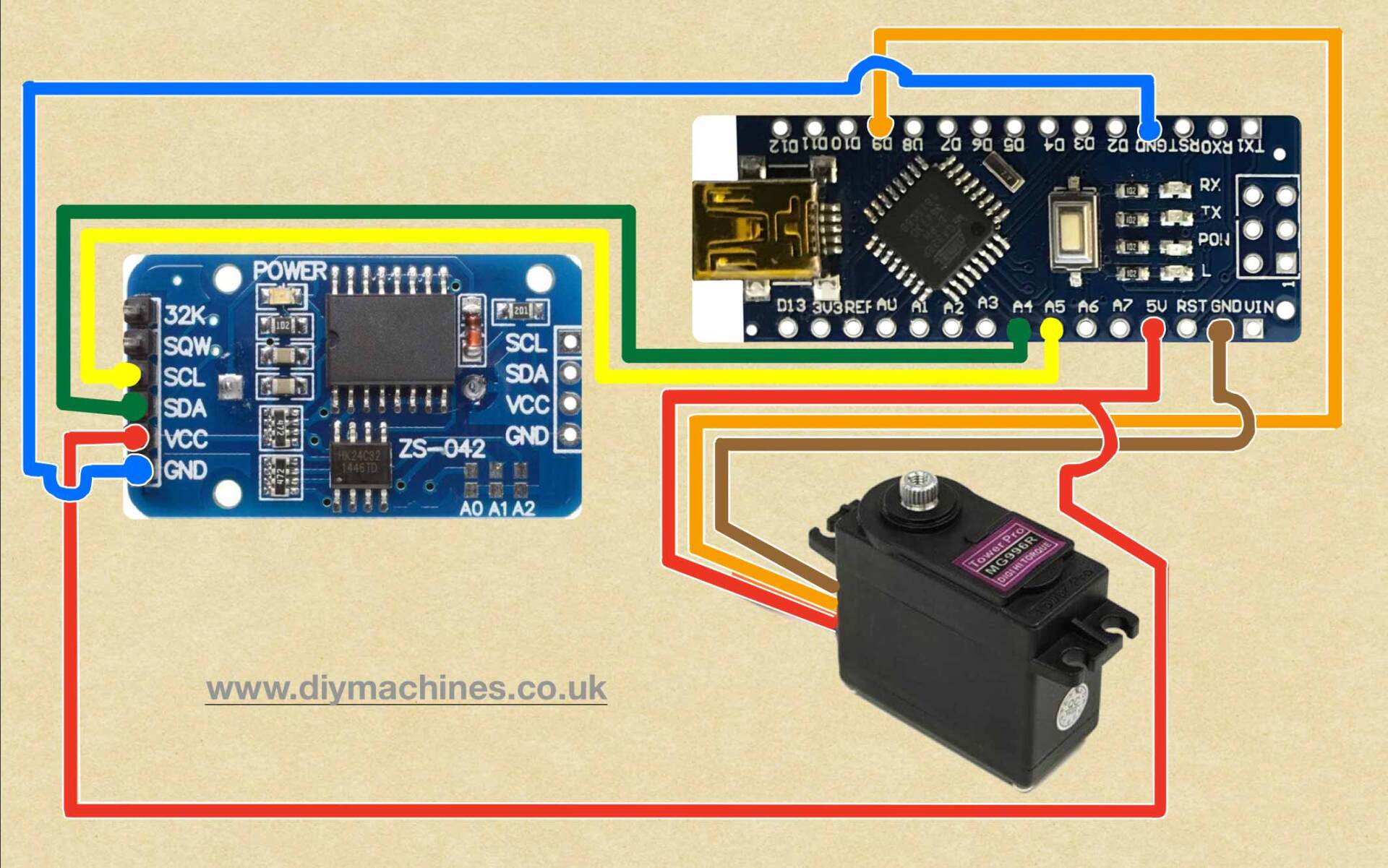
Wiring Diagram

The Ultimate 3D Printed Robotic Camera Slider (Step-by-Step Guide)

In this video, I’ll show you how to set up sensorless homing using a TMC2209 stepper driver — no mechanical limit switches required! Perfect for 3D printers, CNC machines, robotics, and other DIY electronics projects. I’ll guide you through the wiring, Arduino code, and how to tune StallGuard for accurate, reliable homing. Whether you’re building a CoreXY, a custom motion control system, or just want to learn more about stepper motor drivers, this is a great place to start. Let’s build smarter! Why would we want to use sensorless homing? Well first the Pros…. There’s no need for extra mounts, additional components or running long dangling cables to one or both ends of the carriage or other moving component. And there are always cons, so in this case you’ll need a stallguard-capable driver (they cost a little more and are only manufactured by Trinamic) and accuracy isn’t great at slow speeds.

I Recreated the Stranger Things Walkie-Talkies (THEY ACTUALLY WORK)
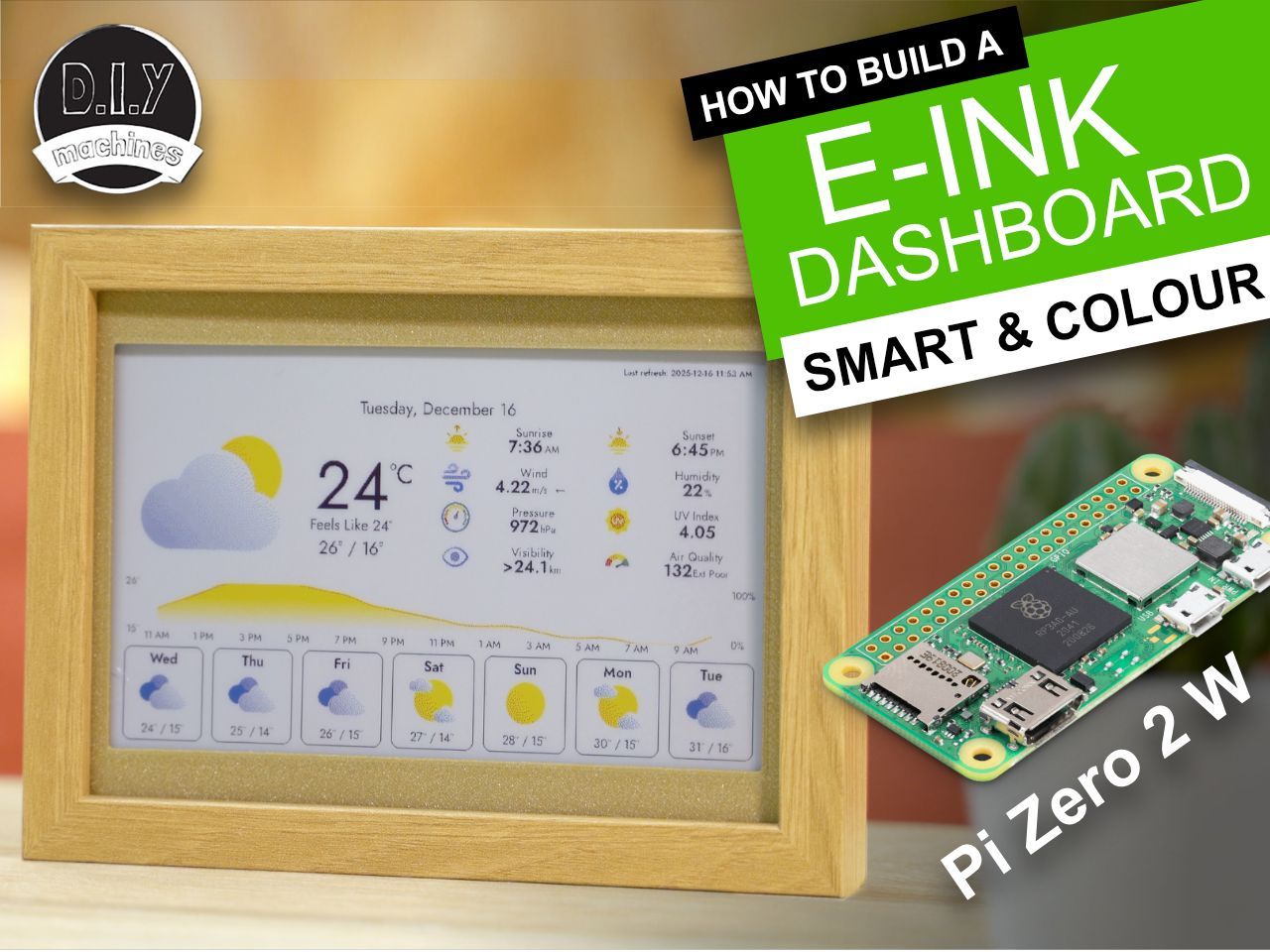
How to build your own colour e-ink paper display smart dashboard. Powered by Raspberry Pi Zero 2 W you can show weather, photos, calendars, GitHub stats and more.
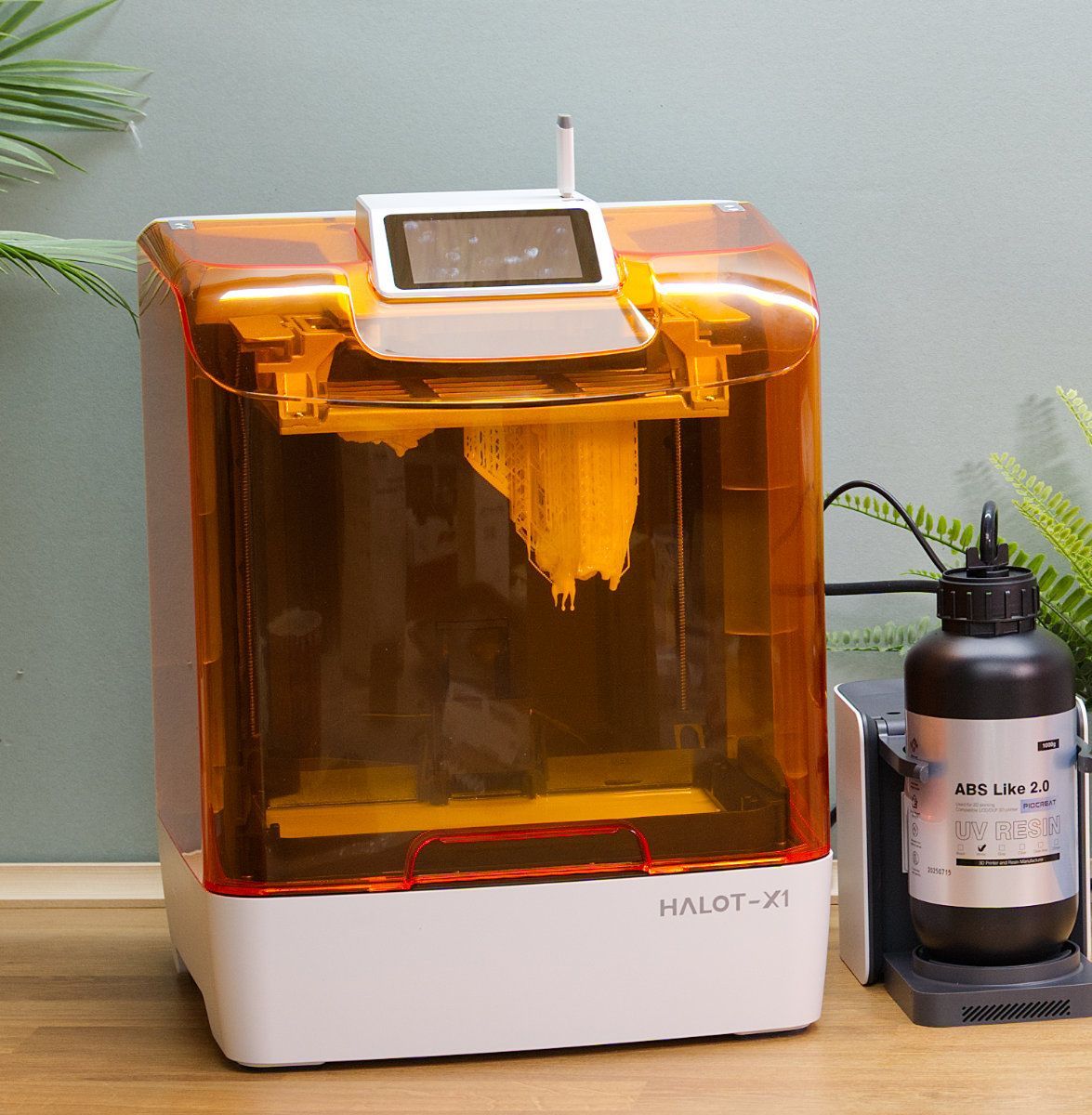
PioCreat HALOT-X1 10.1” 16K Resin Printer Review
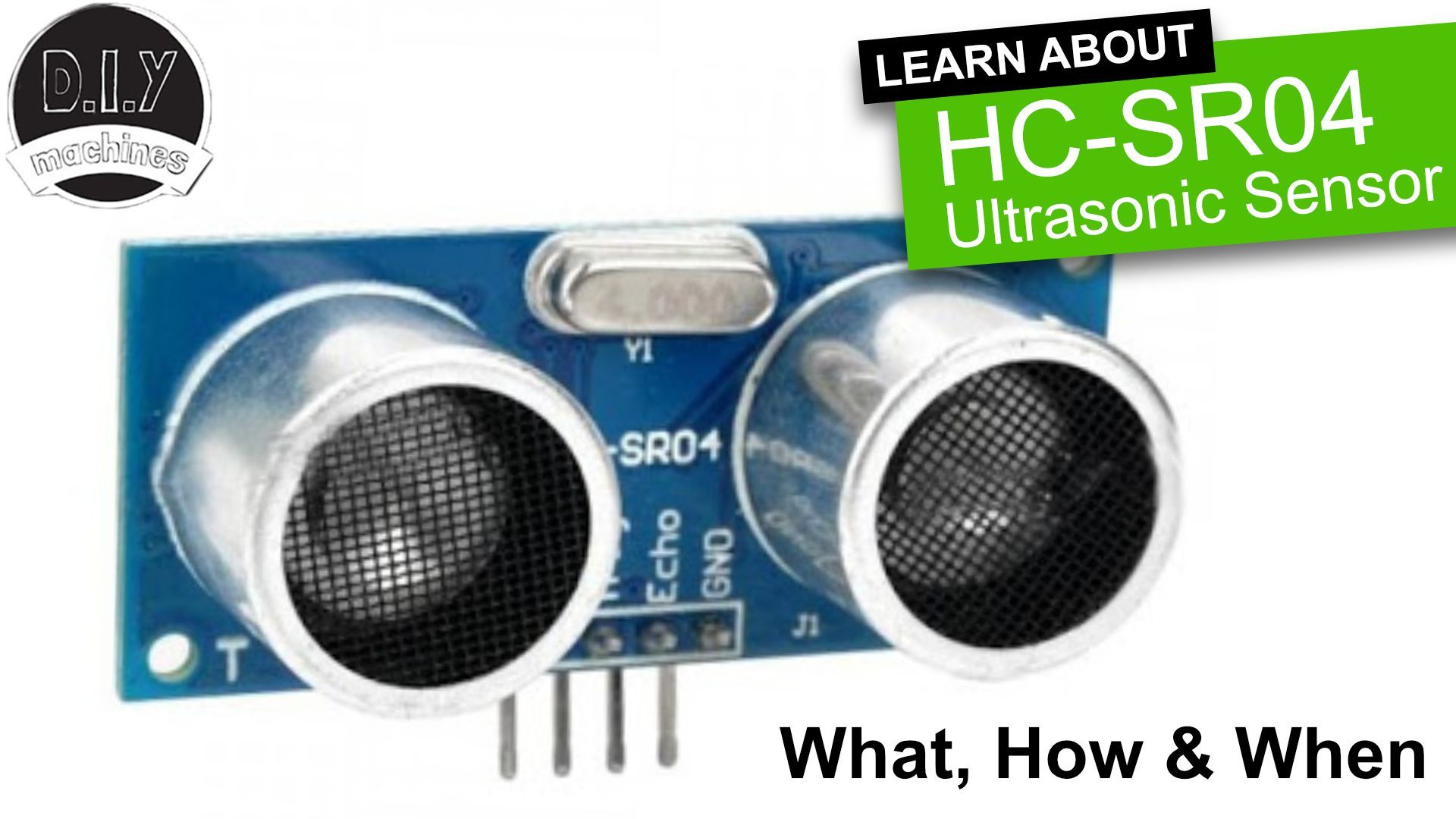
In this guide, I’ll show you how to use the HC-SR04 ultrasonic sensor to measure distances and detect objects using an Arduino or another microcontroller.

Elegoo Mars 5 Ultra - 7" 9k AI Resin Printer

3D Print and add some Resin to create some amazing pieces of stained 'glass'.

My Patreons sent in some questions.
Because I'd asked them to do this - I thought I'd better write out answers....

CRAZY COASTERS with a TWIST! Laser or 3D Print some DIY Magic.